Inspection and Defect Identification Service: Step-by-Step Inspection Process

To ensure the highest quality of the products sent to a automotive company and avoid potential customer claims, a rigorous inspection and defect identification process must be implemented. Below is the step-by-step description of this Inspection and Defect Identification Service, as well as some preventive quality control methods.
1. Incoming Materials and Components
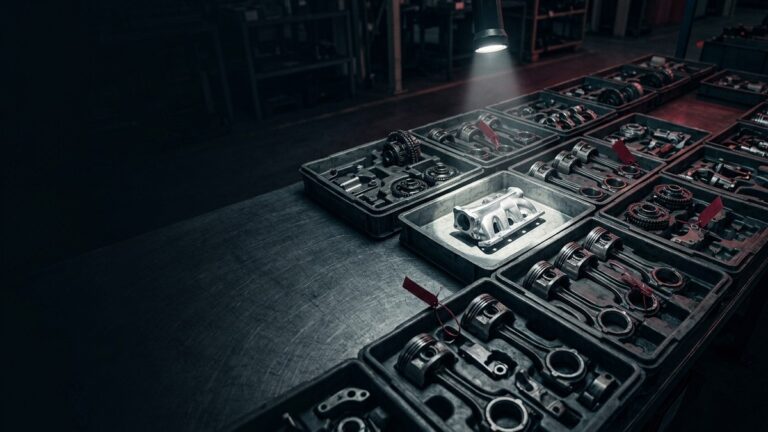
Receiving Inspection: Verify the quality of the materials and components received. Use methods such as visual inspection and material testing to ensure that they meet the required specifications.
2. Production Line Setup
Equipment Configuration: Ensure that all production equipment is properly configured and calibrated according to quality standards.
3. Inspections on the Production Line
In-Process Inspection (IP)Implement inspections Regular checks at different stages of the production process to detect and correct defects in real time. Use techniques such as statistical sampling and process analysis.
4. Finished Product Inspection
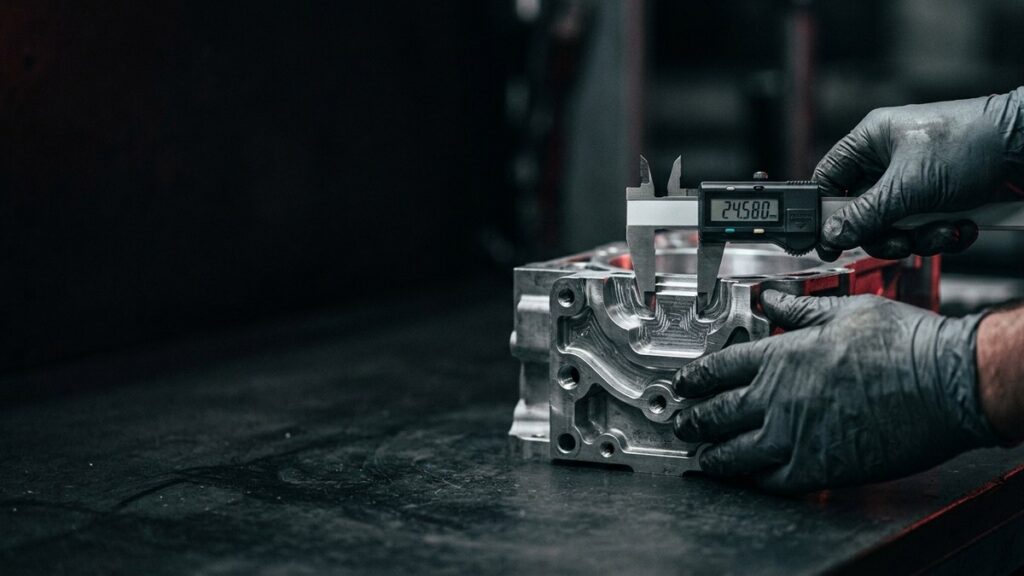
Final Quality Control (CQF)Conduct thorough inspections of the finished product before shipment. This includes functional testing, visual inspection, and measurement of critical dimensions.


5. Preventive Quality Control Methods
- Failure Mode and Effects Analysis (FMEA): Identify potential failures in the production process and their effects, and develop strategies to mitigate those risks.
- Statistical Process Control (SPC): Use statistical tools to monitor and control the quality of the production process. This includes the use of control charts to detect variations in the process.
- Preventive Maintenance: Perform regular maintenance of equipment and tools to prevent unexpected failures that could affect the quality of the product.
- Continuous TrainingEnsure that all employees are trained in quality control procedures and best production practices.
6. Documentation and Reporting
Inspection Log: Document all inspections and tests performed, keeping a detailed record of results and corrective actions implemented.
Quality Reports: Generate quality reports that summarize inspection findings and provide recommendations for continuous improvement.
7. Shipping and Follow-Up
Shipment VerificationPerforming a final check on the products before shipping, ensuring that all units meet quality standards.
Post-Delivery Follow-Up: Monitor product performance at the customer and gather feedback to identify improvement opportunities.
Conclusion: Pre-Shipment Inspection and Defect Identification Service
Implementing a rigorous pre-shipment inspection and defect identification process is crucial to ensure the quality of products for the automotive industry. Using preventive quality control methods such as FMEA and SPC, RIDYS Group can help ensure products meet customer expectations and minimize claims. This proactive approach not only improves customer satisfaction but also strengthens the company’s reputation in the market.
Failure Mode and Effects Analysis (FMEA)
ASQ (American Society for Quality):
https://asq.org/quality-resources/fmea
Quality-One International:
https://quality-one.com/fmea-examples/
MoreSteam:
https://www.moresteam.com/lean-six-sigma-tools/statistical-process-control-spc.cfm
In-Process Inspection (IP) and Final Quality Control (CQF)
Smartsheet:
https://www.smartsheet.com/content/quality-control-templates
These links will take you directly to the resources where you can find examples and templates for your quality control needs.
of our services?
We’ll Be in Touch Shortly