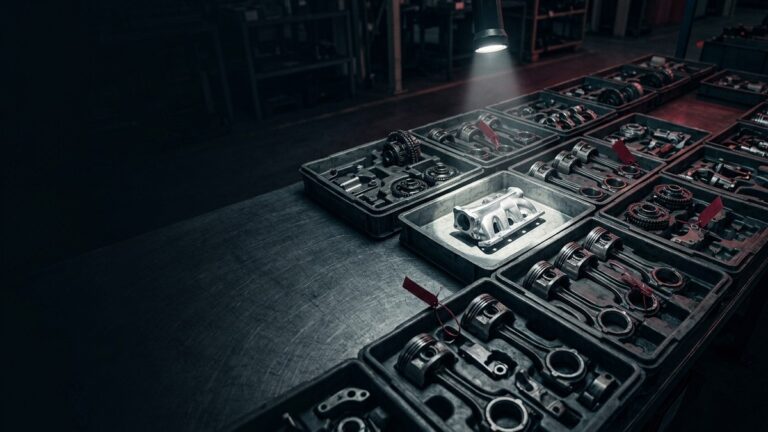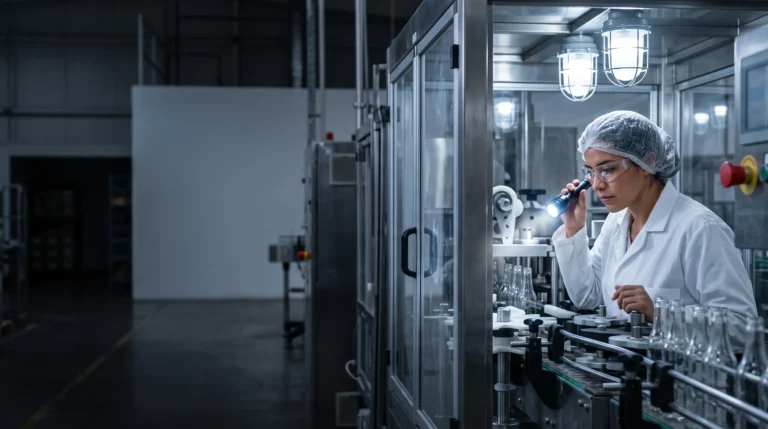
Implementing these key actions for a quality department not only ensures compliance with standards, but also promotes a culture of excellence and continuous improvement.

In the business world, quality is a fundamental pillar for success and customer satisfaction. A well-structured and operated quality department not only ensures compliance with industry standards but also protects the company’s reputation and promotes continuous improvement. Below is a list of essential actions for a quality department, along with their descriptions and the consequences of not implementing them.
1. Define Clear Quality Standards
Description: Establishing quality standards is part of the Key Actions for a Quality Department. They must be clear and specific for each product or service. These standards must be aligned with customer expectations and regulatory requirements.
Consequences of Not Doing It: Without clear standards, products may not meet customer expectations, leading to dissatisfaction, returns, and damage to the company's reputation.
Description: Implement continuous training programs for all personnel involved in the production and quality control process. This ensures that everyone is up to date with the best practices and inspection techniques, starting with the 10 quality basics.
Consequences of Not Doing It: A lack of training can result in human errors, inefficient processes, and defective products, which negatively affects operational quality and efficiency.
3. Conduct Regular Internal Audits
Description: Schedule and conduct periodic internal audits to assess the effectiveness of the quality management system and compliance with established standards.
Consequences of Not Doing It: Without regular audits, quality issues can go unnoticed, leading to undetected non-conformities, product defects, and possible regulatory penalties.
4. Implement Statistical Process Control (SPC)
Description: Using statistical control tools to monitor and analyze variability in production processes. This helps identify and correct problems before they affect product quality.
Consequences of Not Doing It: The lack of statistical control can result in excessive variability in production, leading to inconsistent and low-quality products.



5. Perform In-Process and Final Product Inspections
Description: Conduct regular inspections during the production process and a comprehensive final inspection before shipping the product. This ensures that the products meet quality standards before reaching the customer.
Consequences of Not Doing It: Without proper inspections, defects may not be detected until the product reaches the customer, resulting in returns, complaints, and loss of customer trust.
6. Manage Nonconformances and Corrective Actions
Description: Establish a system to identify, record, and manage non-conformities. Implement corrective and preventive actions to prevent the recurrence of quality issues.
Consequences of Not Doing It: Without proper management of non-conformities, quality problems can persist and recur, leading to a continuous deterioration in product quality and customer satisfaction.
7. Document and Report Quality Results
Description: Maintain detailed documentation of all inspections, audits, and corrective actions. Generate quality reports that are accessible to all stakeholders.
Consequences of Not Doing It: The lack of documentation can make it difficult to track quality issues and implement improvements, which affects transparency and accountability.
8. Promote Continuous Improvement
Description: Create a culture of continuous improvement in the quality department, where innovation is encouraged and a constant search for methods to improve processes and product quality is pursued.
Consequences of Not Doing It: Without a focus on continuous improvement, the company can stagnate, lose competitiveness, and fail to respond adequately to changes in customer expectations and market conditions.
Description: Working closely with suppliers to ensure that the materials and components received meet quality standards. Also, maintaining open communication with customers to understand their expectations and receive feedback.
Consequences of Not Doing It: A lack of collaboration can result in quality issues in the supply chain and a disconnect between the company and customer expectations, which affects customer satisfaction and loyalty.

We know there can be complications when implementing these actions, and sometimes urgent corrective or preventive measures are needed to avoid problems. Staff shortages can be an issue, and training can take a long time. In those cases, a specialized quality control service like RIDYS Group’s offers solutions tailored to your needs.
Value Actions RIDYS Group Can Offer:
- Customized Consulting
- Specialized Training
- SPC Implementation Support
- Specialized Inspections and Testing
- Nonconformance Management
- Quality Documentation and Reporting
- Continuous Improvement
By relying on RIDYS Group, With us, you can be sure that you will have the support of experienced professionals who understand the demands of the industry and are committed to excellence.
Let us help you take the quality of your products and services to the next level, ensuring the satisfaction of your customers and the long-term success of your company.
of our services?
We’ll Be in Touch Shortly