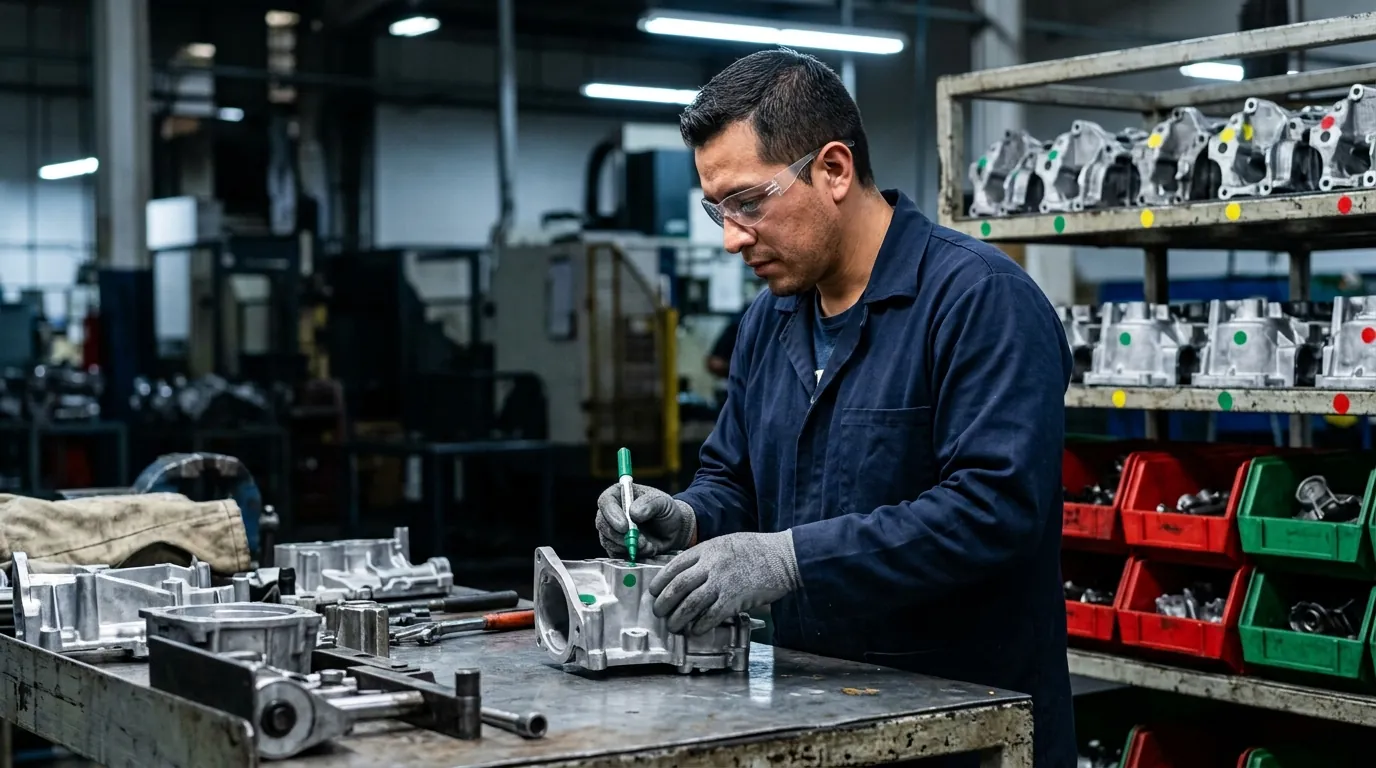
In industry, and especially in the automotive industry, the quality of every part and component is key to the efficiency and safety of the final product. Inspection and classification (sorting) techniques help quickly identify defective parts and organize them by condition, so that only parts that meet quality standards reach customers. Here we explore the types of inspection techniques and the marks used for accurate, effective classification.

Classification, also known as sorting, is an essential process within quality control where parts are separated based on their condition. This can involve identifying approved (good) parts and rejected (defective) parts, as well as categorizing the parts according to the type of defect or the repairs required. This organization is fundamental for improving product quality and for inventory management.
To achieve efficient classification, a precise inspection must first be implemented. Then, some of the most commonly used inspection techniques are described:
Once the parts have passed through the inspections, it is essential to classify them and mark them properly to facilitate tracking and decision-making. Below are the most commonly used marking types in sorting:

| Mark Type | Description | Example of Use |
|---|---|---|
| Color Marks | Specific colors assigned to parts that are approved, rejected, or awaiting rework. | Green (Approved), Red (Rejected), Yellow (Pending) |
| Adhesive Labels | Labels with codes or descriptions attached to the part to indicate its condition or defect. | Makes it easier to trace defective lots. |
| Ink Marking | Use of removable or permanent ink to mark defects in specific areas of the part. | Blue ink for weld spots, etc. |
| Engraving or Stamping | Marking on the part surface with permanent codes or symbols. | Serial numbers for critical parts requiring high traceability. |
Each of these methods has its advantages depending on the type of part, its material, and the information that needs to be conveyed. For example, color markings and adhesive labels are ideal for quick tracking on the factory floor, while engraving is more durable and suitable for high-value parts in the supply chain.
| Benefit | Description |
|---|---|
| Fewer Complaints | Identifying defects before shipment prevents costly returns and improves customer satisfaction. |
| Inventory Optimization | Makes it easier to control approved, rejected, and in-process parts, avoiding unnecessary buildup. |
| Improved Traceability | Permanent marks allow detailed tracking throughout the supply chain. |
| Increase in Efficiency | Reduces inspection and repair time by making each part quick to identify. |
These techniques not only improve the efficiency of the process, but also allow for a long-term cost reduction by minimizing losses due to defective parts or rework.
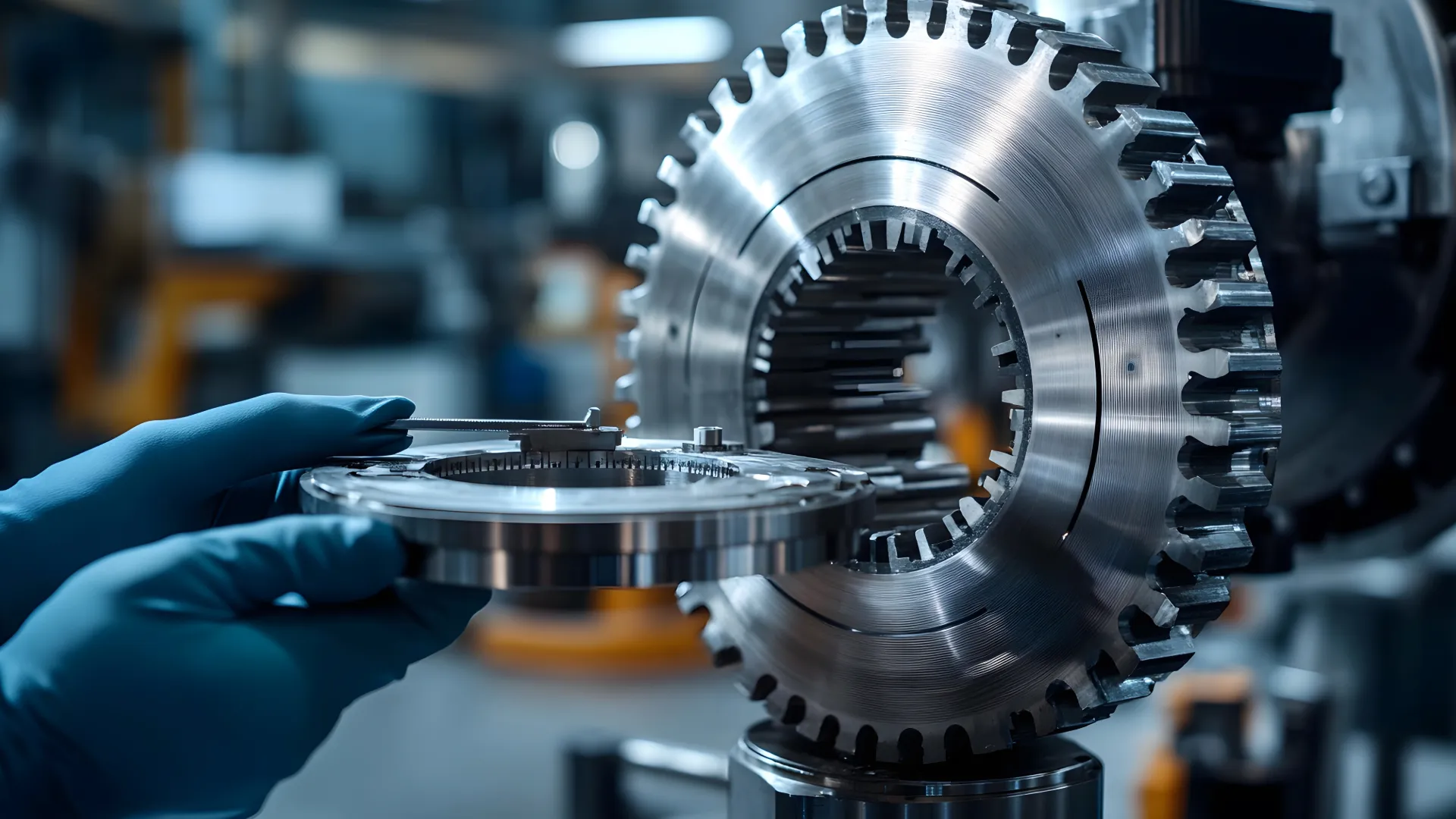
Implementing inspection and classification techniques in quality control is essential for any company that wants to stand out in the automotive sector. With an effective sorting system, you can reduce production times, improve final product quality, and protect your brand image. If you need to apply them to your material, learn about our quality inspection service in San Luis Potosí.
If you are looking for a quality partner to help you implement these techniques, RIDYS Group is here to offer you a tailored inspection and quality control solution, ensuring every part you deliver meets the highest standards. Contact us to keep your production quality at the highest level!
